
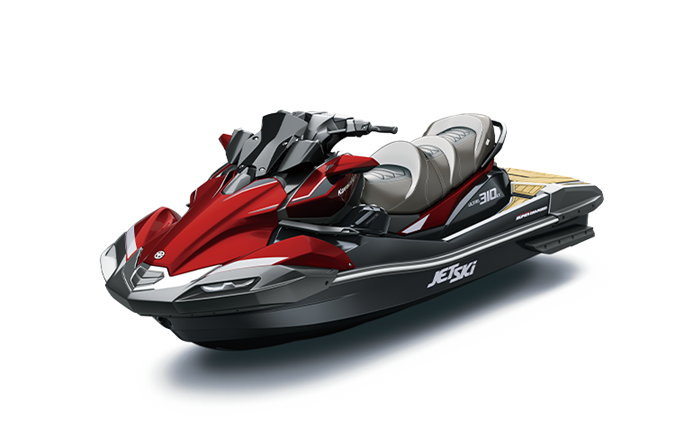
Ready to Ride the Waves: How to Get Your Kawasaki Jet Ski Ready for the Season
The ice is off the lake, the temperatures are climbing, and all you can think about is getting back on the water. Before you drop that Kawasaki Jet Ski off the trailer and hit the throttle, take a little time to prep it properly. A proper spring commissioning takes less than a couple of hours and sets you up for a worry-free season on the water.
1. Inspect the Hull and Body
Start with a thorough walk-around of the entire machine. Check the hull for cracks, scratches, or damage that may have happened during storage or transport. Pay close attention to the intake grate and pump area — even small cracks near the waterline can cause problems once you’re out on the lake.
Make sure all body panels are secure and that no fasteners have vibrated loose over the winter months.
2. Check the Battery
If you stored your Jet Ski properly, hopefully the battery was on a tender all winter. Either way, test the battery with a voltmeter before you rely on it. A fully charged 12V battery should read around 12.6V or higher at rest.
Clean any corrosion off the terminals with a wire brush, apply a light coat of dielectric grease, and make sure the connections are tight. A weak battery in the middle of the lake is no fun at all.
3. Engine Oil and Oil Filter
Check your engine oil level and condition. If you didn’t do an oil change at the end of last season, now is the perfect time. Fresh oil going into a new season is always a good idea — old oil sitting all winter can break down and leave deposits that cause wear.
Refer to your owner’s manual for the correct oil type and capacity for your specific Jet Ski model.
4. Flush and Inspect the Cooling System
Kawasaki Jet Skis use a water-cooled engine that draws water from the lake to cool itself. Before launching, inspect all coolant hoses for cracks, softness, or signs of wear. If your model has a closed-loop cooling system, check the coolant level in the reservoir.
After every ride — but especially your first one of the season — flush the cooling system with fresh water using the garden hose flush fitting. This clears out any debris, algae, or sediment that might have built up.
5. Fuel System Check
If you left fuel in the tank over winter (without a fuel stabilizer), it may have gone stale. Stale fuel can gum up the fuel system and cause hard starting or rough running. Drain and replace old fuel if you’re not sure of its condition.
Inspect the fuel lines for cracks or brittleness, and check that all fuel connections are tight and leak-free. A fuel leak on the water is both dangerous and bad for the environment.
6. Inspect the Jet Pump and Impeller
The jet pump is the heart of your watercraft’s propulsion. Remove the intake grate and inspect the impeller for chips, cracks, or bent fins. Even minor impeller damage causes significant performance loss. Check the pump housing for debris — a small rock or stick in there can do serious damage at speed.
Spin the impeller by hand — it should turn smoothly without any grinding or resistance. If it feels rough, have it inspected before you launch.
7. Check the Wear Ring
The wear ring surrounds the impeller and is a common wear item. A worn or damaged wear ring causes reduced thrust and poor top-end performance. You can check it by looking for excessive gaps between the impeller and the ring. If it looks chewed up or uneven, replace it before the season starts.
8. Test the Safety Lanyard
The safety lanyard (kill switch) is one of the most important safety features on your Jet Ski. Attach it, start the engine, then remove it — the engine should shut off immediately. If it doesn’t, do not get on the water until it’s fixed. This isn’t optional — it’s the device that stops your machine if you fall off.
9. Grease Fittings and Moving Parts
Lubricate the steering cable, throttle cable, and any grease fittings as specified in your owner’s manual. Moving parts that have been sitting dry all winter need fresh lubrication to operate smoothly and prevent premature wear.
10. Test Run Before You Launch
Before heading to the lake, do a quick test run using a flush hose connected to the garden hose fitting. Never run the engine for more than 30 seconds without water flow — just enough to confirm it starts, idles, and shuts off properly. Listen for any unusual noises and check for any fuel or water leaks under the machine.
Time to Hit the Water
Once you’ve worked through this checklist, you’re ready for a great season on the water. And if you’d rather leave the prep to the professionals, our service team at Borderland Powersports is here to help. We offer full spring commissioning services to get your Kawasaki Jet Ski launch-ready.
Contact us today to book your spring service appointment — spots fill up fast!